INTERVIEW: DISFEAR: The Noise We Leave Behind
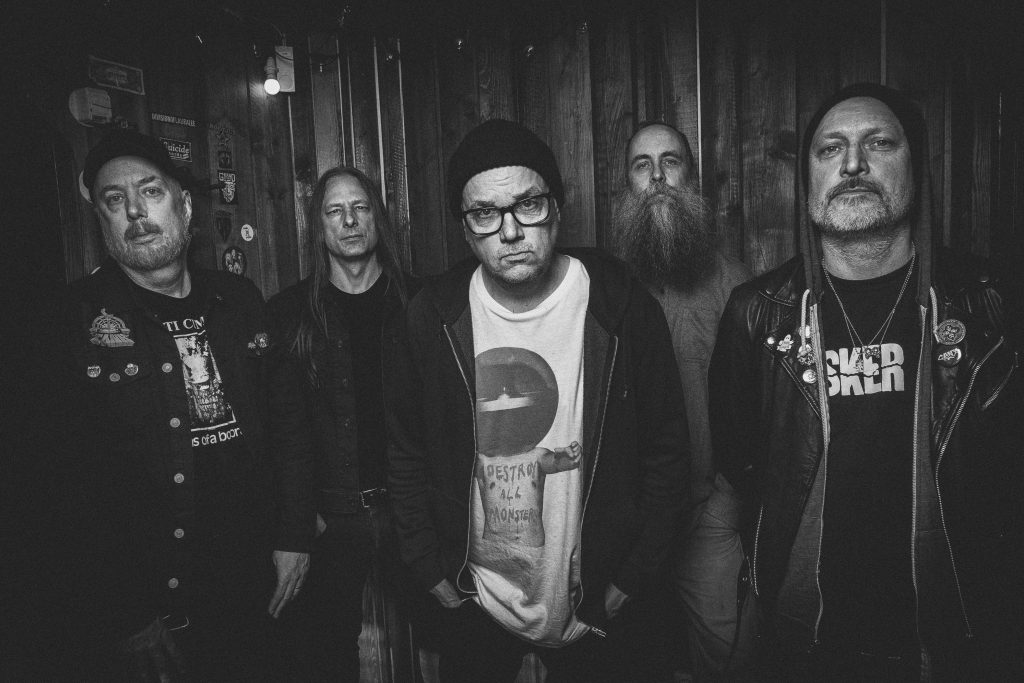
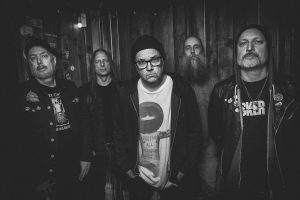
Disfear promo photo by Robert Samsonowitz in April 2025.
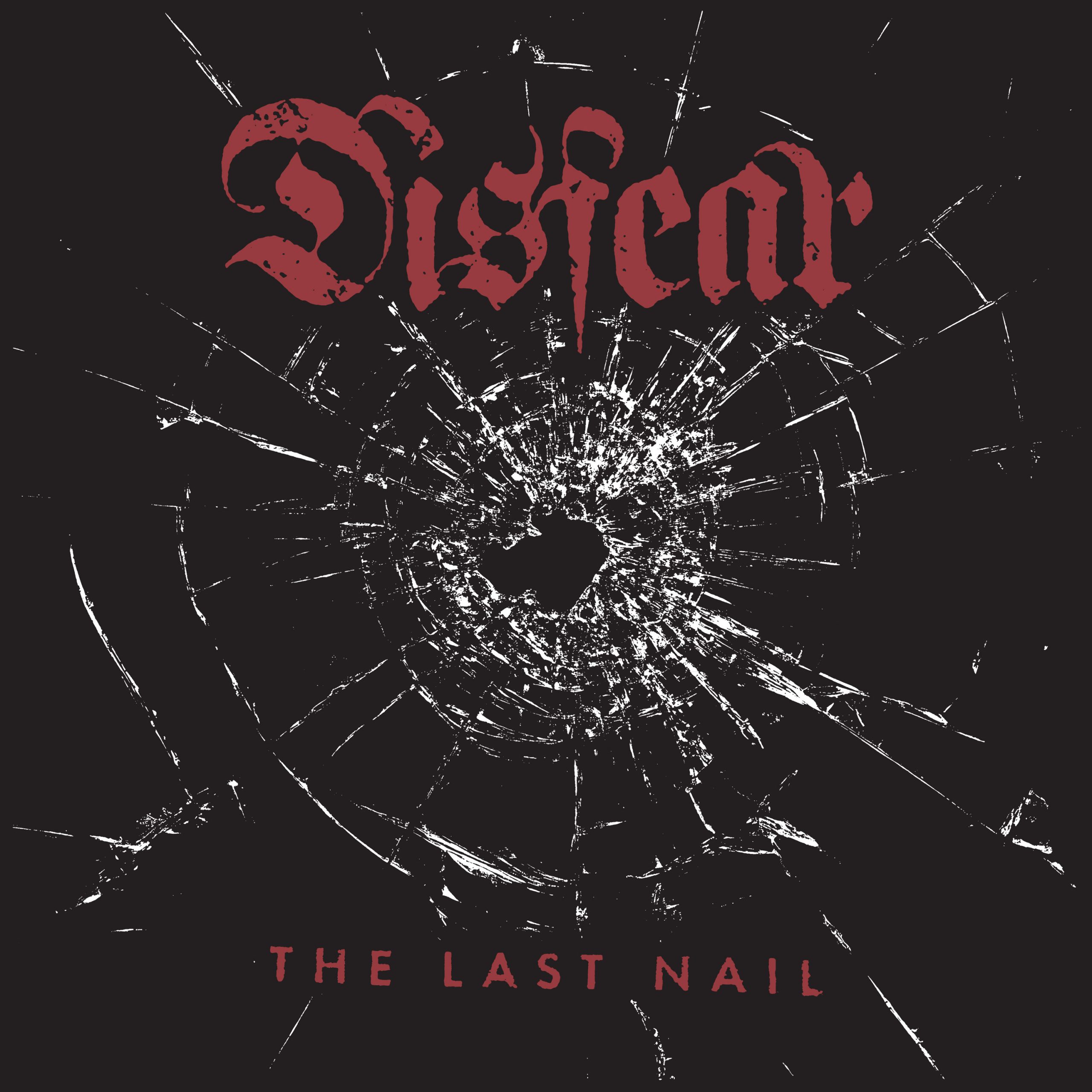
Some records carry more weight than others. For Disfear, The Last Nail is far more than the long-awaited return of one of Sweden’s most uncompromising crust punk bands: it’s a deeply personal document shaped by friendship, grief and the loss of three members who were an essential part of the band’s history. In this conversation, Björn looks back on the long and emotionally complex journey behind the album, Tomas Lindberg’s final vocal recordings, and the strange relationship between music, mortality and the possibility of leaving something behind that outlives us. But beyond the sadness, there’s still plenty of anger: inequality, greed, corruption and a world that continues to treat people as disposable remain as relevant as ever. We also talk about the meaning of carrying on after unimaginable loss, the importance of community and friendship, and how music can become both a way of processing grief and a celebration of being alive. Ultimately, The Last Nail is not simply a tribute to those who are gone, but a testament to everything they built together — and to the human stories that remain behind the noise.
– First of all, thank you so much for taking the time to talk to us. It’s been a long time since Disfear released a full-length album, and The Last Nail is finally seeing the light of day under incredibly difficult circumstances. How are you feeling about its release? Is there still excitement about putting new music out there, or has the whole experience become something much more emotional for you?
Disfear-Björn: It’s difficult to describe with a single emotion. There’s definitely excitement because we’re proud of the album and because these songs have been part of our lives for such a long time. At the same time, it’s impossible to separate the record from everything that happened during the years it took to complete.
After losing Henrik, Tomas and Marcus, the album became something much bigger than just another Disfear release. It carries a lot of history, friendship and personal significance for all of us. It’s a document of friendship, creativity and a shared journey that lasted decades.
More than anything, I’m happy that we managed to finish it and that people will finally get the opportunity to hear the last music we created together. It feels like keeping a promise to our friends.
– The album was written over such a long period of time, and some of these songs have been around since 2012. When you first started working on them, you obviously couldn’t have imagined the circumstances under which people would eventually hear them. Does it feel like you’re releasing an album from another lifetime, almost as if you’re reconnecting with versions of yourselves that no longer exist?
Disfear-Björn: Some of the songs have been around for a very long time, so naturally they come from different periods of the band’s history. But once we decided which songs would be on the album, we focused on finding the common thread that connected everything. Looking back now, I’m actually surprised by how consistent the album feels despite the long writing process.
– Tomas recorded all eight vocal tracks in 2023, initially only intending to make a few corrections to the demos. Knowing what happened afterwards, there’s something incredibly moving about that session. When you listen to his voice now, do you hear anything differently? Does knowing that those would become his final recordings with Disfear change your relationship with the music?
Disfear-Björn: When Tomas recorded his vocals in 2023, the intention was simply to replace the demo tracks. None of us knew how important those recordings would become. Now that some time has passed, I honestly believe it’s the strongest vocal performance he ever delivered for Disfear.
Of course I hear the songs differently today. Every time his voice comes in, there’s a reminder of the person behind it. But more than sadness, I feel gratitude. He left us with an incredible final document, and I’m thankful we had the chance to capture it.
– Since Live the Storm, Disfear have lost three members: Henke Frykman, Tomas Lindberg and Marcus Andersson. It’s an almost unimaginable amount of loss for one band. Has going through these experiences changed your understanding of death, friendship and what it actually means to keep going? Has music become a way of dealing with grief that words alone cannot express?
Disfear-Björn: Without a doubt. Losing one close friend is devastating. Losing three members of the same band is something you never imagine experiencing. It forces you to rethink what’s important.
I’ve learned to appreciate people while they’re here instead of assuming there will always be more time. Friendship, family and community become much more important. Music has also played a huge role in helping us process everything. Finishing this album became part of that process for all of us.
– There’s something strange about the relationship between music and mortality: we create something that can outlive us, sometimes by decades or even centuries. Tomas is no longer here, but his voice will continue to be heard by people who haven’t even been born yet. Have you thought about this idea of immortality through art? Does it bring you comfort, or does it make his absence even more tangible?
Disfear-Björn: I’ve honestly never thought much about immortality through art. But I do think it’s comforting to know that Tomas’ voice will continue to be heard long after we’re gone. The songs are there now and nobody can take that away. At the same time, it reminds you that he should still be here with us, and that’s difficult to separate from the music.
– The music has always had a particular relationship with destruction, despair and the uglier sides of existence. But there’s also an incredible sense of vitality in it: the urgency, the physicality, the sheer need to make noise. After everything you’ve experienced, has that tension between destruction and the celebration of being alive become more apparent to you?
Disfear-Björn: Maybe. As you get older and experience loss, you become more aware of what actually matters. Disfear has always been about expressing what we experience and what we see around us, whether that’s frustration, anger, hope or loss, but friendship and community have always been just as important to the band. After everything that happened during the making of this album, those things probably mean even more to us today.
– The album’s lyrics deal with themes such as disease, death, consumerism and the systems that gradually destroy us. Knowing that Tomas was writing about these subjects before receiving his own cancer diagnosis later in 2023, some of those words must be particularly difficult to revisit. Have you found yourselves reading new meanings into lyrics that originally seemed to be about something else entirely?
Disfear-Björn: It’s impossible not to view some of the lyrics differently today, knowing what happened afterwards. But I don’t want to read too much into that either. The lyrics haven’t changed, but our perspective as listeners probably has.
I think it’s important not to rewrite history or treat the songs as some kind of prediction. Tomas was writing about themes that had long been central to Disfear, and they remain just as relevant today as when he first put those words on paper.
– There’s often an expectation that bands should carry on, honour their legacy and keep their name alive, but rarely do we talk about the emotional cost of doing so. How do you distinguish between continuing because you genuinely need music in your lives and continuing because you feel responsible for the history of Disfear and the people who are no longer here?
Disfear-Björn: To be honest, we haven’t thought about it in those terms. Our main focus was finishing the album. We wanted to complete something that Tomas and Marcus had invested so much time and energy into. Beyond that, we’re taking things one step at a time. Whether there will be more Disfear in the future is something we’ll have to figure out later. Right now, we’re focused on honouring our friends and sharing the album with people.
– This style has always been a genre that refuses to sit quietly in a corner. After decades of playing this kind of music, has your relationship with anger changed? Do the things that made you furious when you were younger still make you equally angry today, or has life taught you that some things are simply not worth wasting your energy on?
Disfear-Björn: The things that made me angry when I was younger haven’t disappeared. Inequality, greed, corruption and the way people are treated as disposable are still very real problems.
What has changed is perspective. When you’re young, anger can be explosive and immediate. As you get older, it becomes more focused. You learn where your energy can actually make a difference and where it’s simply wasted. The frustration is still there, but hopefully there’s a little more perspective now.
– Thank you again for your time and for sharing your thoughts with us. After everything Disfear has experienced and everything that has gone into making The Last Nail, what do you think this album represents for the band today? Does it feel like the closing of a chapter, a new beginning, or simply another record in a story that is still being written? Is there anything else you’d like to share with your listeners?
Disfear-Björn: I’d describe it as a culmination rather than an ending. This record carries more history, emotion and personal significance than anything else we’ve done. It stands as a tribute to Henrik, Tomas and Marcus, and everything we created together.
Whether it turns out to be the final chapter or not, we honestly don’t know. We’ve learned to take things one step at a time. Right now, we’re simply grateful that the album exists and that we were able to complete it together.
Most of all, I hope people hear more than just aggression and intensity in these songs. I hope they hear the friendships, the dedication and the human stories behind them. That’s what The Last Nail represents to me today.