INTERVIEW: DEVIARE: The Madness We’ve Learned to Live With

On Age of Madness, Singapore’s DeviaRe channel their fury into a fierce blend of crust punk, raw aggression and heavy, melodic darkness. Their debut full-length confronts a world where war, oppression and exploitation have become normalised, while those who resist are too often treated as the ones who have lost their minds. From the suffocating pressures of Singapore’s success-driven society to the dangers of information overload, the hypocrisy of resistance and the struggle to keep underground communities alive, Deviare refuse to look away. Drawing parallels between Tolkien’s fantasy world and the violence of our own, the band questions what it means to resist when injustice becomes the norm — and reminds us that even helping one person can mean helping all of humankind.
1. Hi! Thanks for doing this interview. Age of Madness is your first full-length. Now that it’s out in the world, does it feel like you’ve said what you needed to say, or has making the album raised even more questions?
Y: We still have things to say to the world, things we’re upset and angry about. Issues that can be better. I guess our lyrics let listeners ponder the world and the life we’re living. Writing songs is an outlet for some; there will always be questions floating in our heads.
A: I think this is only the tip of the iceberg. There are so many more pressing matters and issues at hand happening, and there isn’t really an end to it. The fight continues even after.
2. The album is called Age of Madness. When cruelty, war and exploitation are treated as normal, who exactly gets to decide what madness looks like?
Y: The bad thing about being desensitised to the atrocities is that we’re likely to be called crazy, or judged by the privileged, for being against all that is happening. The people who are fighting for humanity get to decide what madness is, seeing as that’s what the world urgently needs.
A: As we enter an era where generations of people from all over the world are able to connect and share information more easily than before, world leaders remain indifferent and desensitised to the horrors. We see it happening here in our country. A group of mums were called into court for flying kites bearing the names of child martyrs in Gaza, reportedly on the grounds that they had no permit to do so in a public space. That’s just craziness there. And that’s the sort of madness we see happening closest around us: the absurdity of a government where an act of compassion is seen as defiance, while the suffering becomes normalised. And ultimately, society pays the price of living in mad times like this.
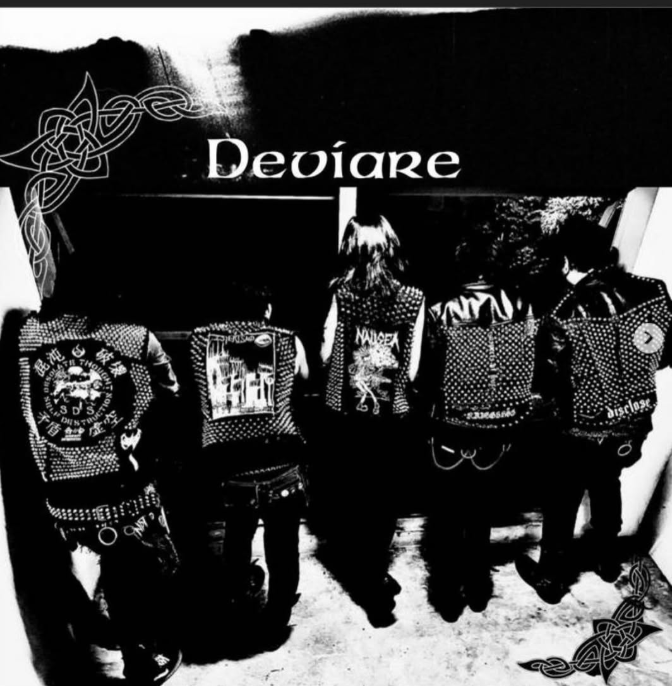
3. The cover depicts a ruined, war-torn world, with imagery inspired by The Lord of the Rings. Why use fantasy to reflect reality? Does fiction sometimes reveal more about human violence than the news does?
A: Tolkien’s novel parallels today’s world through the moral corruption of humankind. Power struggles, an entity that is attempting to take control of people’s freedom, not forgetting how Sauron’s “eye” is ever-watching and is like a representation of how CCTV operates. And at the end of it all, it’s not a happily-ever-after tale. The Shire pays for its complacency by falling victim to the destruction of its homeland.
While based on fiction and fantasy, the storytelling reveals how, through time, evil has managed to plant seeds and grow, making ordinary people become tolerant of it, rationalise evil schemes and even benefit from such actions, often at the expense of others. It also serves to make us question ourselves: what does it mean to resist when all else is overwhelmingly against you?
4. Musically, I hear the rawness of Deviated Instinct alongside Sacrilege’s mix of crust and heavier metal. What does the heavier, more melodic side of your sound allow you to express that pure aggression wouldn’t?
Y: I like to think that side expresses the anguish, the gloomy and sorrowful take on any calamity we face, be it the violence we face both externally and internally.
H: We do get our influences from various artists and composers to express our anger through music. The heavy and fast beats are our way to project our anger. As for the melodic parts, they represent the cry of the helpless, the grief, the pain and also a small glimpse of hope.
5. In “The Life They Chosen”, the rat race turns people’s lives into something they may never have freely chosen. How much of what we call personal ambition is actually pressure to fit into a system that benefits someone else?
Y: Punks often question the system: how is it working when there are still people struggling to survive, not live? The pressure to survive can be overwhelming for some, let alone having the desired lifestyle. It’s good to see there are more and more conversations questioning the system that the elites are protecting. And people are getting more concerned, angry even.
A: Here in Singapore, the illusion of success as defined by a democratic state shapes the system and the people. Stepping out of the system forces you to challenge the norm and be labelled “unconventional”. You are technically free to pursue your own ambitions, but society consistently rewards certain paths while discouraging others. It is extremely common for someone to give it all they’ve got but eventually burn out under the relentless pressure and the competitive nature of the corporate world, not forgetting social expectations, financial pressure and the fear of being labelled unsuccessful, which is often used to keep people in line.
6. “Prolific Violence” challenges people who claim to oppose oppression while reproducing the same behaviour themselves. How do you recognise when resistance starts becoming another version of the thing it claims to fight?
A: I feel that resistance can easily become the very thing we are opposing when people become so convinced of their righteousness that they start to turn a blind eye to their own destructive actions. Keeping ourselves in check and holding ourselves accountable to the same moral standards that we demand from the oppressors is important so as not to lose focus on what we are fighting for.
7. “Information Overload” points towards a world saturated with information. We can witness atrocities in real time and still carry on scrolling. Has constant exposure to suffering made us more aware, or simply better at living with things we should find intolerable?
Y: It’s like a double-edged sword. Compared to the world before smartphones, now everything is accessible. Though it can divide people into those who are more aware and involved, and people who are privileged enough not to bother. We need to remind ourselves that we don’t have to absorb everything and we can’t control everything.
Do what you can within your means.
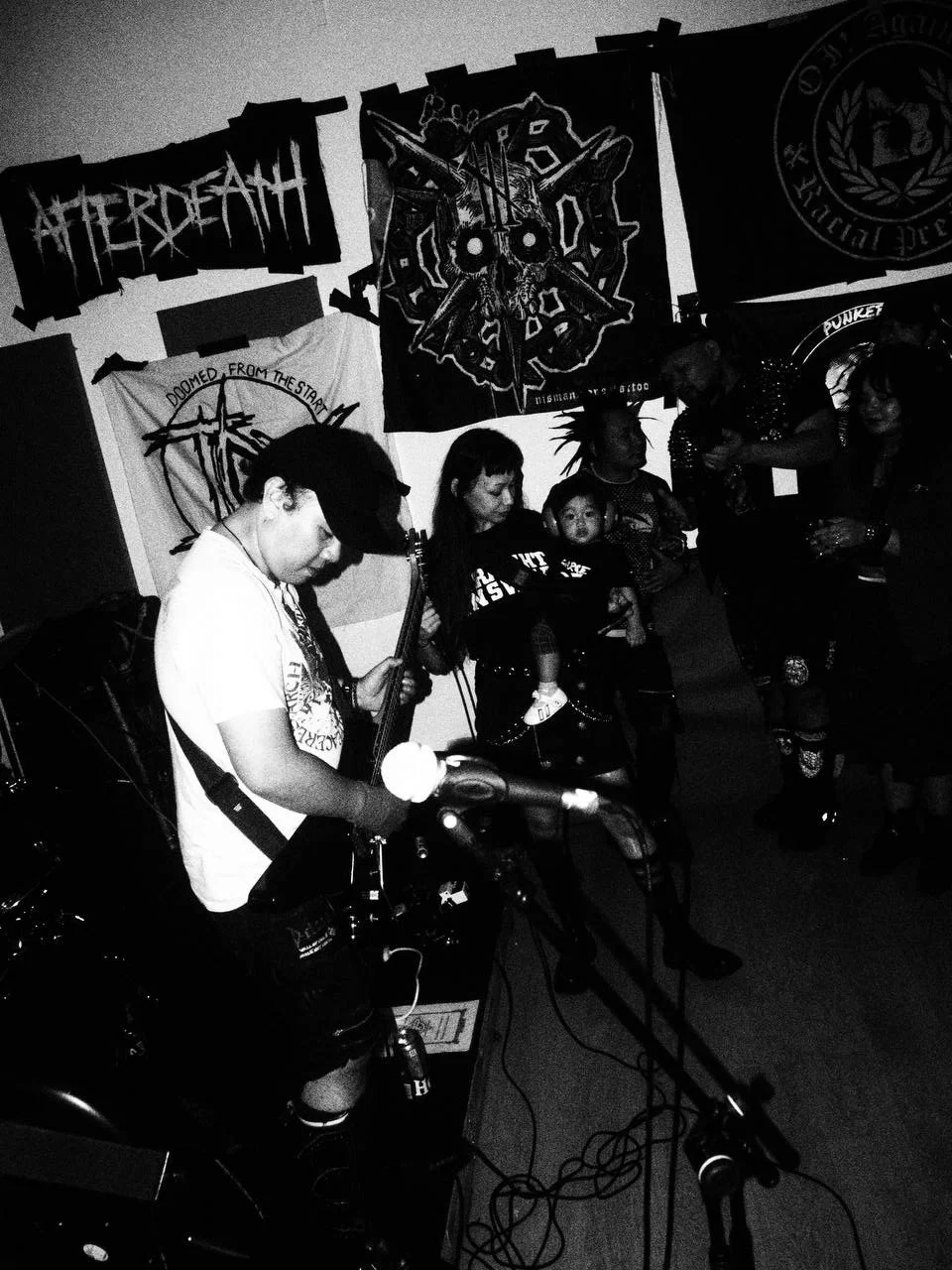
8. You’re based in Singapore, where high rents and the loss of venues can make underground shows difficult to sustain. What does it mean to build a punk community when the physical spaces it needs are increasingly hard to keep alive? Can a scene survive on commitment alone?
Y: Yeah, that has always been our challenge here.
Venues and DIY spaces have come and gone. Sure, there are still a few left currently, and we’re still hopeful. We always find a way to make shows happen, and we do our best to support one another when a door closes. We show up for other scenes, fundraisers or non-music events.
I believe the scene can survive, seeing as it has done so for the past years, even with obstacles. Music is something we all need at the end of the day.
9. Your songs carry a strong political anger, but anger can either clarify things or turn into hatred. How do you keep that anger directed at the systems and behaviours you oppose rather than letting it consume everything else?
Y: It gets exhausting if you’re angry all the time. Reflecting, doing some research and talking with friends can help open things up and clarify things that have been clouded. There are resources everywhere now, and people often share diverse topics on social media too, where they tackle and share views on those issues. It’s convenient now to divert the anger into different outlets.
10. Thanks for your time! If someone listens to Age of Madness and agrees with every word but changes nothing about how they live, has the album done its job? And what would you like to leave our readers thinking about?
Y: To each their own. Even if one listener is inspired to do something good, it’s good enough. The album is what we want to share with the world, created from the heart, especially in this AI era.
To help one human is to help all of humankind.