WOLFBRIGADE: Uncompromising and undomesticated
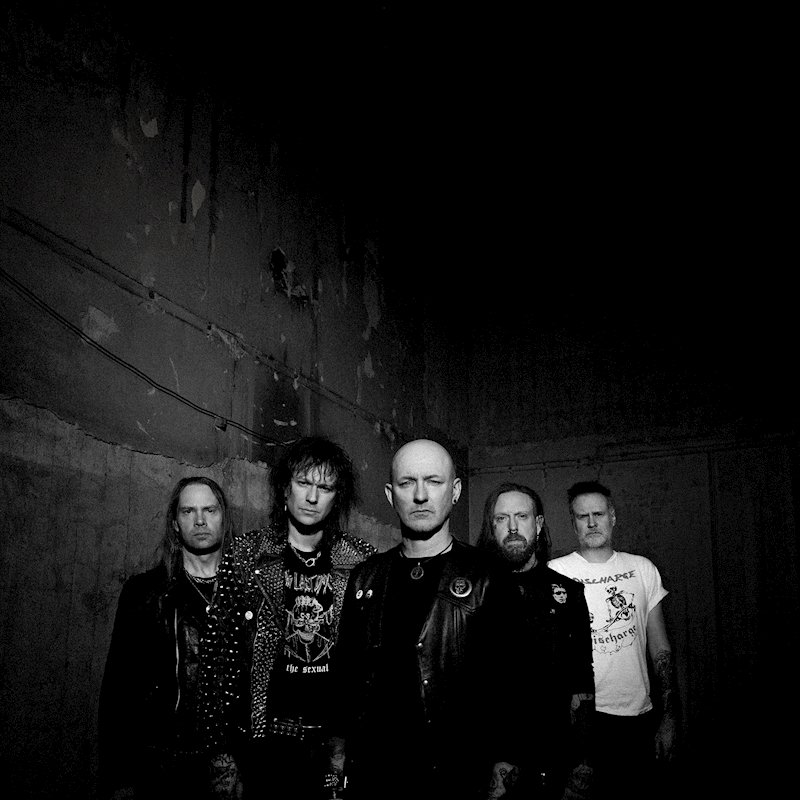
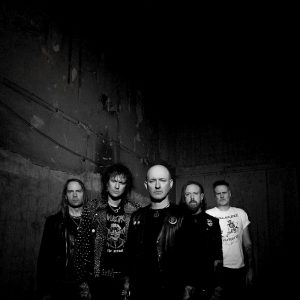
After more than thirty years of channeling rage into raw, uncompromising music, Swedish crust veterans Wolfbrigade return with Howl from Underground, a ferocious statement that refuses to separate sonic intensity from political conviction. In this interview, vocalist Micke Dahl and bassist Johan Erkenvåg explore the ideas behind their self-described Lycanthro Punk, the importance of capturing the unfiltered energy of a band playing together, and the need to keep artistic instincts alive rather than surrendering to formulas or perfectionism. But beneath the album’s furious sound lies a deeper rejection of domestication: a challenge to the borders, economic systems, social conventions, and power structures we are taught to accept as inevitable. From the manipulation of political divisions and the rise of the far right to the dangers of conformity within our own communities, Wolfbrigade question how easily rebellion can become another form of obedience. Honest about their own contradictions, they defend punk not as a marketable identity or a rigid set of rules, but as a way of thinking independently, imagining alternatives, and refusing to let authority dictate the limits of our lives. For Wolfbrigade, staying undomesticated means keeping the questions alive, making noise with your friends, and never mistaking the rules of the game for the natural order of things.
1. Hi! Thanks for taking the time to talk to us. How are you doing, and what’s life like in the Wolfbrigade camp right now? After more than thirty years of making music together, what still excites you about being in this band?
Micke: We’re good, thanks! The record is finally out, and it feels great to let people into something we’ve been completely buried in for so long.
Johan: It’s still exciting not knowing what we’ll come up with. Someone brings in an idea, someone else hears something completely different in it, and suddenly it’s going somewhere none of us had in mind. You get caught up in it and forget how many times you’ve done this before. There’s still that feeling of wanting to get back to rehearsal and see what happens next. Having thirty years behind us is nice, but it’s whatever we’re working on right now that makes us want to turn up. The whole process is exciting, bordering on manic sometimes. You don’t really know what kind of record you’ve made until it comes back from the pressing plant.
2. Howl from Underground sounds as ferocious as ever, but it also seems to have a strong conceptual thread running through it. How do you keep a sound recognisably yours without turning it into a formula? Is there anything you deliberately try to avoid when writing new music?
Micke: We have a pretty strong sense of what belongs in Wolfbrigade, but everyone hears it slightly differently. Whatever someone brings in, the other four will hear things they want to change, push further or strip away. By the time we’re all happy with it, it can sound quite different from the original idea. But once it’s been through our five filters, it usually comes out sounding like another fucking Wolfbrigade song. We can spend ages arguing over something a listener will hear for about three seconds.
3. You’ve described your music as Lycanthro Punk, occupying a territory between crust punk, hardcore and extreme metal. Do you feel more at home in one scene than the other, or has that distinction become irrelevant to you? Have you ever felt that punk audiences and metal audiences listen to your music in fundamentally different ways?
Johan: We’ve always had one foot in each scene. Plenty of our friends play both punk and metal, and I’m sure that mix runs through our audience’s record collections too. You don’t have to stick to one genre, you know. It’s always felt natural to us. Lycanthro Punk is our way of saying we’ll mix whatever we want. People probably hear different things in our music, but I doubt anyone switches off their love for metal just because they put on a punk record.
4. For Howl from Underground, you returned to recording as a band in the same room, capturing the movement and imperfections of people playing together rather than polishing every detail separately. What can happen in that room that you could never reproduce by working on the music piece by piece? Is there a point where trying to make a record sound better actually makes it feel less alive?
Micke: You react to each other without really thinking about it. Someone pushes a little harder, the rest follow, and suddenly the whole song lifts. You can’t plan shit like that. With vocals, a whole take has its own flow too. Your voice might crack or you take a breath where you hadn’t planned to. That can add more to the song than getting every word exactly right.
Johan: And you hear straight away whether a take has something. Everything can be technically right and still feel dead. Then a rougher take comes along with twice the energy. The tricky part is knowing when to leave it alone. Once you start fixing things, it’s easy to keep finding things to fix. Eventually, you’ve edited the life out of it.
5. After years of recording and producing your albums yourselves, you decided to work with an outside producer. Was it difficult to let somebody else into a process you had controlled for so long? And did the experience reveal anything about Wolfbrigade’s sound that you had stopped noticing because you were too close to it?
Micke: We were excited to try something new. We usually change something about how we work from one record to the next. A different setup, a different way of recording, something for us to explore. This time we really wanted to record live, and with all five of us playing, we needed someone else behind the desk. So it made sense to bring someone in.
Johan: We worked with Lawrence Mackrory at Necromorbus, an old Baptist church turned recording studio. We really liked his curiosity and dedication. He wanted to build a sound there and then, using our own backline and that huge room. No lazy plugin fixes. He took the time to try things and see how far we could push them. Also, he heard things differently and gave us another perspective on stuff we’d gotten too close to.
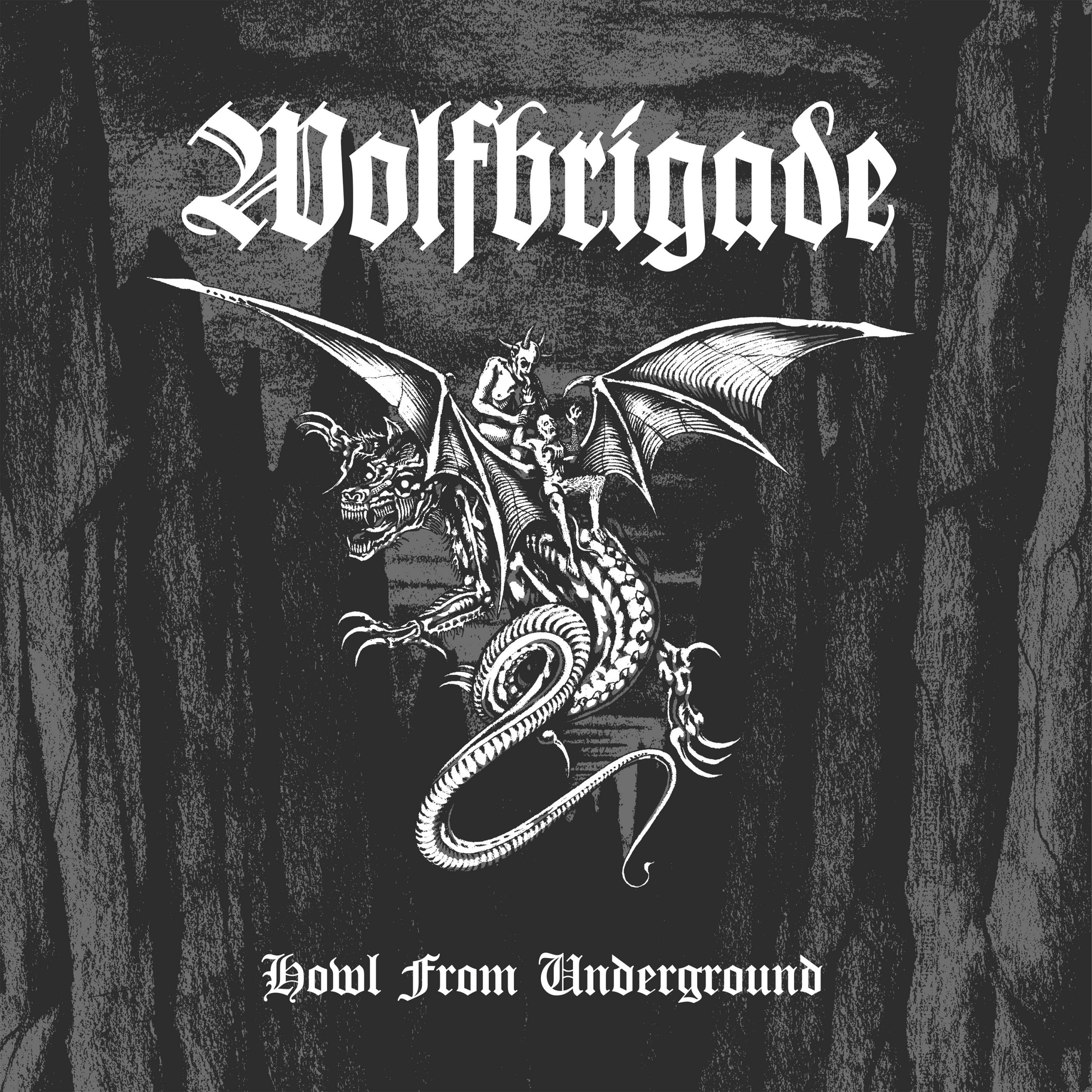
6. The idea behind Howl from Underground seems to go beyond rebellion as an attitude: it questions the things society presents as natural or inevitable, from borders and laws to money and the way we’re expected to live. When did you start looking at these systems as something that could be otherwise, rather than simply accepting them as the rules of the game? Does punk still have the power to make people imagine alternatives, or has rebellion itself become another marketable identity?
Johan: I think I’ve always felt a bit alienated, even as a kid. New Year’s Eve, for example. I’d be thinking: 1990? Says who? Someone starts counting and suddenly we’re all cheering. Religion, nations, holidays. Someone made all this up, and now we’re born into it and expected to play along as if it’s the natural order of things. Capitalism too. We’ve lived in other ways before, but now even imagining something else gets you called naive. That’s a strange place to be. We made the rules, then forgot we could change them.
Micke: Finding punk felt like coming home. People who shared that feeling and were doing things their own way. Films and books could give you that same sense of recognition, whole worlds you felt more at home in. And that gave you room to imagine how else you could live. Sure, you can sell rebellion. But you can’t sell someone that feeling.
7. The album’s concept of failed domestication feels particularly relevant at a time when conformity, obedience and political polarisation seem to be gaining ground. What does being “undomesticated” mean to you in practical terms? Is it mainly about refusing authority, or does it also mean questioning the assumptions and prejudices within our own scenes and communities?
Johan: Yeah, your own crowd can train you pretty well too. You can turn against one authority and still end up obeying another. It’s harder to question the people you feel at home with. You’ve got something to lose. I don’t think any of us are free of that. But you can try to stay curious. Let something unfamiliar get past your first reaction. You might actually like it.
8. “Cold War Bootlicker” takes aim at false oppositions and the idea that rival sides can end up serving the same machinery of power. How do you write about politics without reducing everything to a simple good-versus-evil story? And how do you deal with the fact that people can oppose one form of power while happily submitting to another?
Micke: We’re in the picture too. It would be pretty fucking convenient if all the ugliness belonged to other people. Our lyrics also deal with things in ourselves we’d rather not see.
Johan: “Cold War Bootlicker” is about how those in power keep people fighting each other while they bleed you dry and loot everything around you. Stay loyal, hate the other side, blame the people below you. It keeps you busy while your rights are stripped away. There’s almost something religious about that faith in power. The more they take from you, the harder you defend them.
9. Wolfbrigade’s lyrics have dealt with social injustice, the abuse of power and the frustration of living in a world that often feels deeply fucked up. With the far right gaining ground in many places, wars continuing and scapegoating becoming an increasingly convenient political tool, what makes you angrier these days? Has anything in the current political climate genuinely surprised you, or is it depressingly familiar?
Micke: Well, sadly familiar, isn’t it? That doesn’t make it any easier to stomach. Knowing how this shit has ended before, you’d hope people would recognise it coming. But give them someone to blame and suddenly they’re queuing up for another round.
10. Your music is often described through speed, aggression and sheer physical force, but melody and a darker, almost mournful feeling have always played a part, too. How important is that tension between brutality and vulnerability? And when the world gives you plenty of reasons to feel furious or hopeless, does making music help turn those feelings into something useful, or is it enough that it gives them somewhere to go?
Johan: A friend once compared us to a testicle. Very masculine, but fragile. So there’s your brutality and vulnerability, haha. But yeah, you need contrast. If you’re going full blast all the time, it just goes flat. There’s nothing left to hit you with. For us, music is a rush, a release. You put everything you’ve got into it, and it gives you something back you can’t get anywhere else. Gets you out of your own fucking head for a while.
Micke: Yeah, and just having somewhere to put all that shit is useful enough for me. You bring whatever’s eating at you into rehearsal, make a fucking racket with your friends and come out feeling better. You don’t have to solve it all during those forty-five minutes, you know. Just getting through those forty-five minutes is enough.
11. Thank you for your time and for keeping Wolfbrigade going. After thirty years, what do you hope the band still represents to someone discovering you for the first time?
Micke: Hope it gives them a bit of the same kick we get. Gets their blood pumping.
Johan: Yeah, and hopefully it rattles their cage a little.